

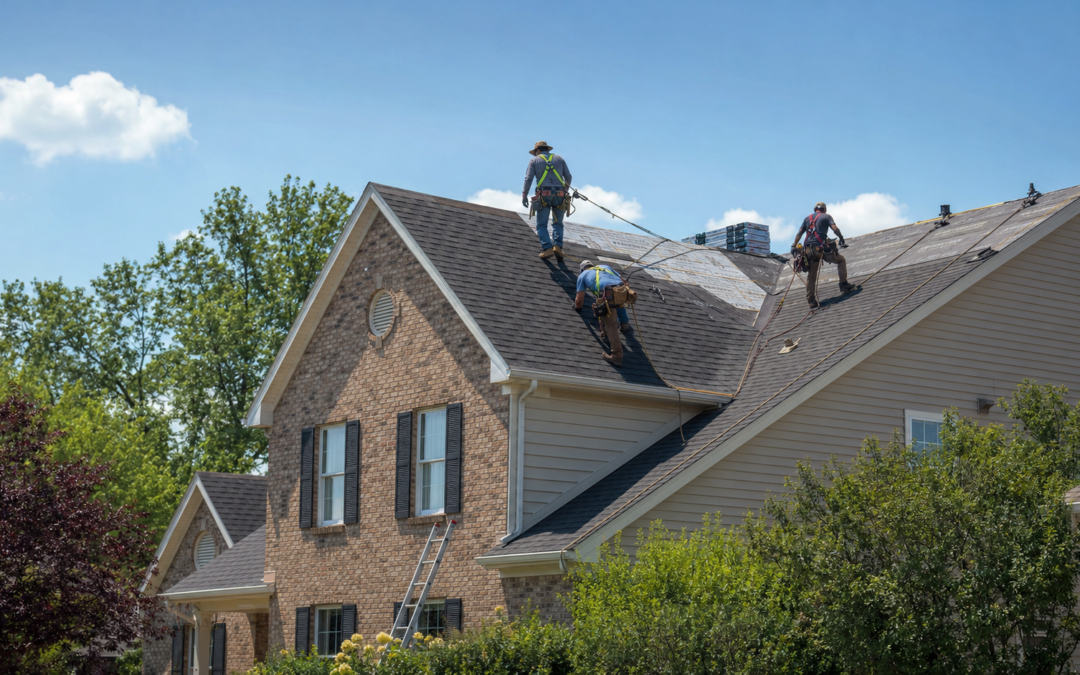
Can You Replace a Roof During an Indiana Summer?
Yes, a roof can be replaced during an Indiana summer. In fact, longer daylight and stretches of dry weather often make summer a practical time to complete the work. The important question is not whether the calendar says July. It is whether the weather window, roof condition, material requirements, and crew plan all support a proper installation.
Around Lafayette, a summer week can bring ninety-degree afternoons, high humidity, and a thunderstorm that appears with little warning. A qualified roofing contractor plans around those conditions instead of pretending they do not exist.
Why homeowners often choose summer
A roof replacement requires dry conditions for tear-off, deck inspection, underlayment, flashing, and the finished roofing system. Summer often provides more usable daylight and longer periods between rain events than colder months. That can help a crew protect the exposed roof and keep the project moving.
Summer also gives homeowners time to correct known roof problems before fall leaves clog drainage paths and winter freeze-thaw cycles test every weak detail. If shingles are lifting, granules are collecting in the gutters, or a leak has already appeared, waiting simply because it is hot outside may create a larger repair.
How extreme heat changes the workday
Roof surfaces can become much hotter than the outdoor air. That affects both worker safety and how roofing materials are handled. On very hot days, a roofing company may start earlier, schedule the most demanding work during cooler hours, take additional breaks, or adjust the daily scope.
Those changes are a sign of responsible planning. A realistic schedule should account for the forecast instead of promising that every roof will be finished on the same timeline regardless of heat, wind, or incoming storms.
Will summer heat hurt new shingles?
Asphalt shingles are commonly installed during warm weather, but they still must be stored, handled, fastened, and walked on correctly. Excessive surface heat can make shingles more susceptible to scuffing from foot traffic. Installation details should follow the roofing manufacturer’s written instructions and the conditions on the roof that day.
This is one reason the contractor matters as much as the shingle brand. Good materials do not correct poor flashing, careless foot traffic, blocked ventilation, or rushed weather decisions.
What happens if rain is in the forecast?
A professional crew watches short-range weather closely and limits tear-off to an area that can be dried in safely. Underlayment and temporary protection are part of the plan, but they are not an excuse to open more roof than the crew can control.
Before work begins, ask how the contractor protects the home if a storm forms, what happens to the schedule, and who will update you. In Central Indiana, that communication matters. A blue sky at breakfast does not guarantee a dry afternoon.
Signs you should not wait for cooler weather
- Water stains are spreading across a ceiling or wall.
- Shingles are missing, lifted, cracked, or sliding out of place.
- The roof has repeated leaks or several unrelated repair areas.
- The roof deck feels soft or shows signs of moisture damage.
- Storm damage has been documented, and an insurance deadline may apply.
- The roof is near the end of its expected service life, and problems are becoming more frequent.
Not every old roof needs immediate replacement, and not every leak requires a full new roof. An inspection should determine whether a focused repair can restore the system or whether replacement is the better long-term decision.
What to ask before scheduling
How will the crew adjust for extreme heat or storms?
How much of the roof will be opened at one time?
What will happen if damaged decking is found?
Are ventilation, flashing, and drip-edge details included in the scope?
How will landscaping, siding, windows, and the driveway be protected?
What workmanship and manufacturer warranties will apply?
Schedule the roof around its condition, not the season alone
Summer roof replacement is normal when it is planned correctly. The better decision comes from the condition of the roof, the forecast, and a written scope that explains how the entire roofing system will be handled.
Frequently asked questions
Is July too hot to replace an asphalt shingle roof?
Not automatically. Crews may begin earlier or adjust the schedule during extreme heat. The contractor should follow the manufacturer’s installation requirements and protect both workers and materials.
How long does a roof replacement take?
Timing depends on roof size, pitch, complexity, decking condition, material, and weather. Your estimate should explain the expected schedule and what could change it.
Should I wait until fall if my roof is leaking?
A leak should be inspected promptly. A repair may be enough, but waiting without understanding the source can allow moisture to reach decking, insulation, drywall, or framing.
Wabash Valley Exteriors serves Lafayette, West Lafayette, and surrounding communities with residential roof inspections, repairs, and replacements. Call (765) 838-0882 or request a free estimate to find out whether your roof should be repaired now, replaced this summer, or monitored for a later project.